

Why Mental Health Matters: A Guide to Taking Care of Your Well-Being
Mental health refers to a person’s emotional and psychological well-being. It affects how we think, feel, act, and relate to others. It also shapes how we handle stress, make decisions, and navigate everyday challenges. When we are mentally healthy, we can live with purpose, connect meaningfully with others, and manage life’s ups and downs with resilience.
On the other hand, poor mental health can interfere with our ability to cope, communicate, and function in daily life. It may lead to struggles at home, in relationships, at work, and within ourselves. Conditions such as anxiety, depression, and post-traumatic stress disorder (PTSD) can develop or worsen when mental health is neglected.
Mental health is influenced by a mix of genetic, environmental, and social factors. Early life experiences, trauma, family dynamics, lifestyle, and support systems all play a role. Recognizing mental health as an essential part of our overall well-being is the first step in creating a more compassionate and healthy life.
How to Care for Your Mental Health
Here are some practical and meaningful ways to support your mental well-being.
Take Care of Your Physical Health
Your body and mind are deeply connected. When you care for your physical health, your mental health also benefits. Eating nutritious meals, exercising regularly, staying hydrated, and getting enough sleep can greatly improve your mood and energy levels. Avoid habits that harm your well-being, such as smoking, substance use, or excessive alcohol consumption. Taking breaks from social media and setting digital boundaries can also protect your peace of mind.
Practice Relaxation Techniques
In moments of stress or overwhelm, relaxation practices can help you reset. Deep breathing, meditation, and gentle movement like yoga are effective ways to calm your nervous system. Even a few minutes a day can bring more awareness and clarity. These techniques give you a sense of control when things feel chaotic and help reduce the physical symptoms of stress and anxiety.
Build Strong Social Connections
We are not meant to go through life alone. Meaningful relationships provide emotional support, comfort, and belonging. Make time to connect with people who lift you up and make you feel safe. This could be a trusted friend, family member, or community group. You can also meet new people by joining interest-based clubs, volunteer organizations, or support groups. A strong social support system is a powerful protective factor for mental health.
Set Realistic and Compassionate Goals
Goals give you a sense of purpose and direction. But it’s important to set goals that are achievable and grounded in your current capacity. Avoid comparing your progress to others. Healing and growth take time, and success is not always linear. Celebrate small wins, and give yourself grace when things don’t go as planned. You are not behind—you are on your own path.
Practice Self-Care That Feels Right for You
Self-care is more than face masks and spa days. It’s about tuning in to your needs and making space for rest, joy, and creativity. Whether that’s journaling, spending time in nature, listening to music, or simply doing nothing for a while, do what fills you up. Choose self-care that feels authentic and healing, not performative or forced.
Seek Professional Help When Needed
If you are experiencing persistent sadness, anxiety, or distress, don’t hesitate to reach out to a mental health professional. Therapists, counselors, and psychiatrists are trained to guide you through emotional challenges and provide personalized coping strategies. Seeking help is not a sign of weakness, it is a courageous step toward healing and self-awareness.
Respect Your Own Journey and Others’
Mental health is personal. No two experiences are the same, and healing doesn’t look the same for everyone. Avoid judging your path or someone else’s. What matters is finding what works for you and allowing others the space to do the same. Kindness, patience, and empathy go a long way.
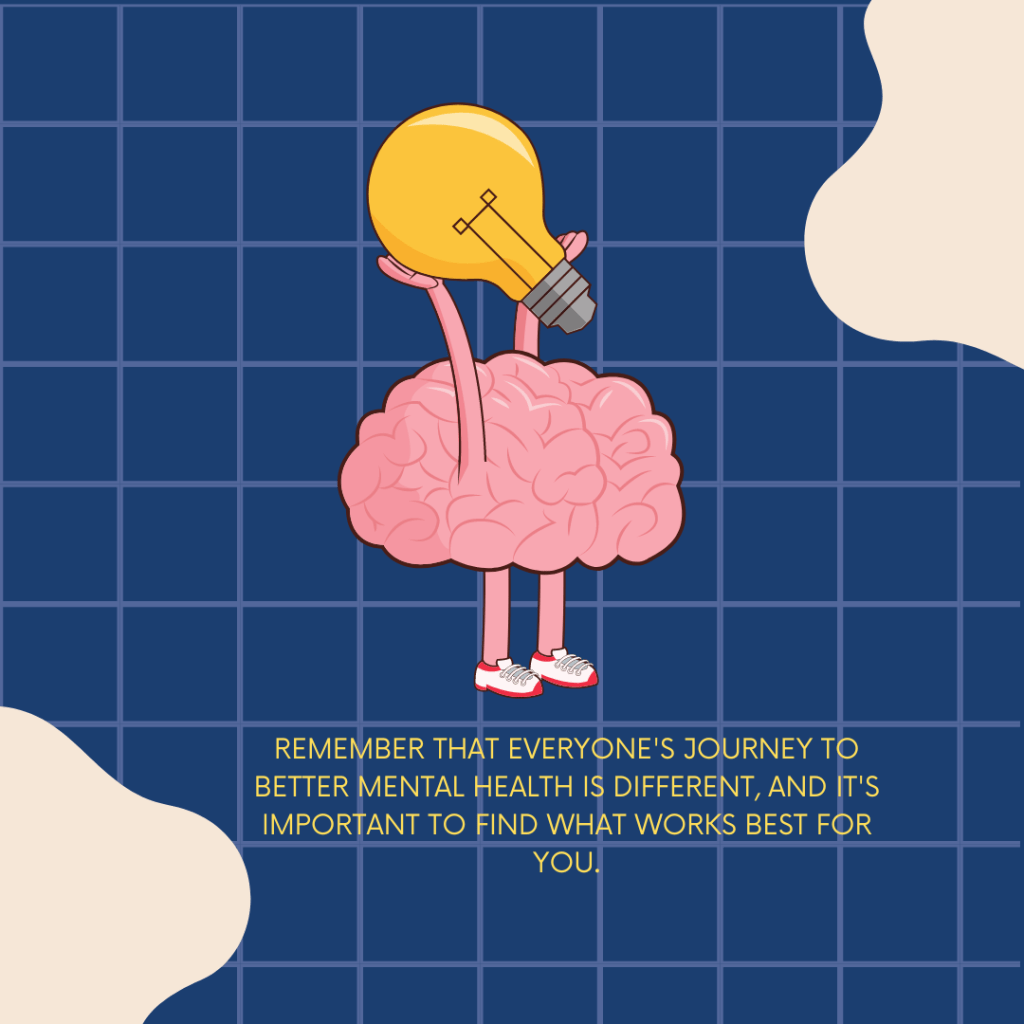
Why We Must Prioritize Mental Health
Mental health is not a luxury or something to focus on only when we are in crisis. It is a vital part of our overall well-being and deserves regular care. Mental health issues affect people of all ages and backgrounds, and when left unaddressed, they can impact every area of life, relationships, career, and even physical health.
There is still stigma surrounding mental health in many communities, which makes it harder for people to speak up or seek support. But every time we talk about it, we help normalize the conversation. Every story shared, every resource offered, every kind word spoken can help break that stigma.
Mental health is not just about fixing what is broken. It is also about building habits, support systems, and spaces where we can thrive. When we take care of our mental well-being, we also uplift the people around us and contribute to a healthier, more compassionate society.
Helpful Communities and Support Groups in the Philippines
If you are currently struggling or need a safe space, here are some trusted groups and communities:
-
MentalHealthPH – Advocacy group offering resources, campaigns, and safe conversations
Website: mentalhealthph.org -
Anxiety and Depression Support Philippines (Facebook Group) – A peer support community for those struggling with emotional well-being
-
Philippine Mental Health Association, Inc. (PMHA) – Provides education, counseling, and outreach services
Website: pmha.org.ph -
Serenity Circle – A safe space for emotional and mental health support, especially for survivors of trauma, based in Iloilo
Facebook: facebook.com/SerenityCirclePH
Final Thought
Mental health is not a destination. It is a continuous journey of learning, healing, and becoming. You deserve to feel safe in your mind and body. You deserve support. You deserve peace.
Let’s keep showing up for ourselves and for others, one small step, one kind word, one mindful moment at a time.
 CM Digital Marketing Services
Leave a comment