
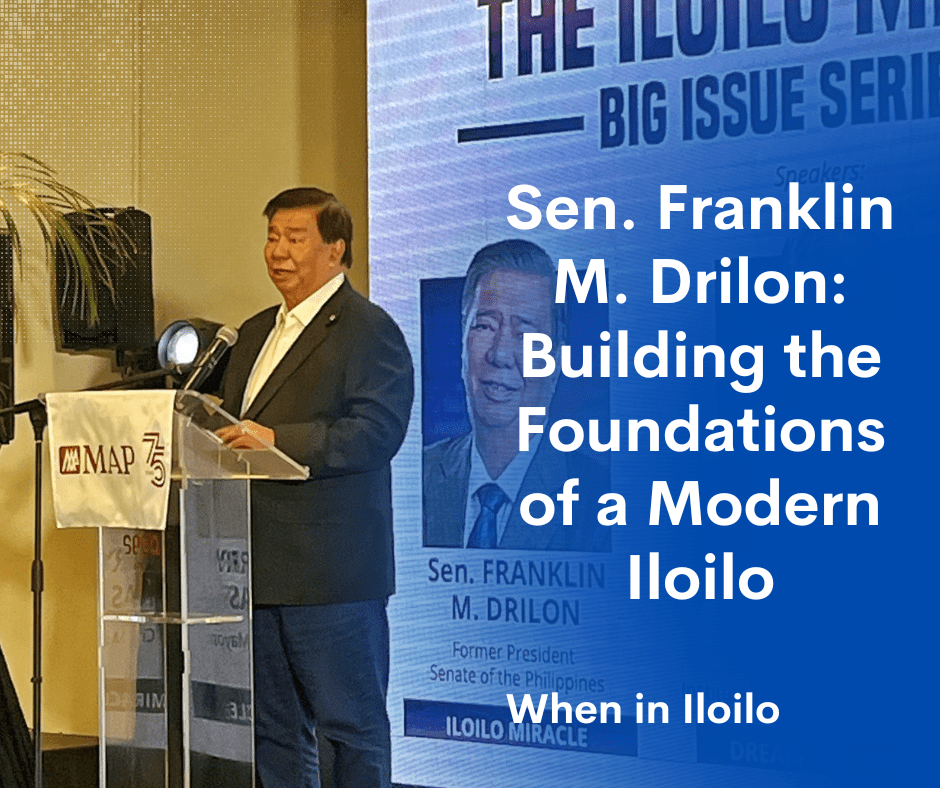
When Ilonggos stroll along the Iloilo River Esplanade at dusk, they are greeted by a sight that has become emblematic of the city’s rebirth. Joggers pacing its paths, families enjoying the breeze, tourists snapping photos against a golden sunset. Few realize that this beloved landmark was once a polluted, forgotten river choked by illegal structures and industrial waste.
The journey from decline to renewal reflects the story of Iloilo itself. At the heart of this transformation is Senator Franklin M. Drilon, a statesman whose vision and political will reshaped his hometown into one of the Philippines’ most livable cities.
Drilon, who served four terms in the Philippine Senate and thrice as Senate President. He is remembered nationally for his work on justice, economic reform, and governance. But for Ilonggos, his greatest legacy lies closer to home. His contributions include the parks, museums, roads, and infrastructure projects. These transformed Iloilo into a modern hub while honoring its rich history.
“I had made it my personal mission to restore Iloilo’s pride of place,” Drilon reflected in a 2023 essay. “We could all get behind a sustainable campaign to transform Iloilo into a future-proof, top-of-mind destination.”
The Iloilo River Esplanade: From Wasteland to Landmark

The Iloilo River rehabilitation and Esplanade is perhaps Drilon’s most personal project. Growing up in Baluarte, Molo, he often swam in the river’s brackish waters. Over time, he saw it decay into what he once described as a “community toilet.”
In 2011, armed with determination and development funds, Drilon spearheaded its cleanup. Fish pens, sunken vessels, and illegal structures were removed. A notorious riverside beer garden was demolished under the legal principle of nuisance per se. Families living in danger zones were relocated to safe housing.

From these efforts rose the Iloilo River Esplanade, designed by landscape architect Paulo Alcazaren. Stretching initially for 8 kilometers and later extended through the Sunset Boulevard project, it is now the longest linear park in the Philippines.
More than a park, the Esplanade became a symbol of civic pride. It showed Ilonggos that their city could achieve global standards in urban design, blending environment, culture, and lifestyle.
Sunset Boulevard: Roads with a View

Following the Esplanade’s success, Drilon envisioned an even grander project. The project is the Iloilo Sunset Boulevard. It is a 7-kilometer, four-lane highway with bike lanes. It also includes an extended riverside esplanade. The boulevard runs from Mandurriao to Oton. It combines infrastructure with leisure. This gives Iloilo both a vital transportation corridor and one of the country’s most scenic roadways.
ICON Convention Center: Bringing the World to Iloilo
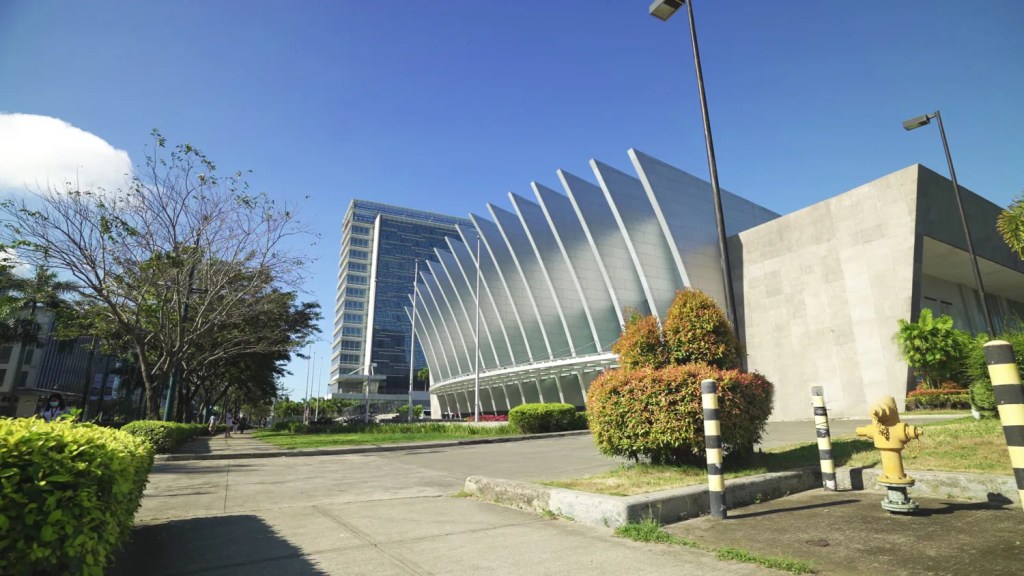
In the early 2000s, Iloilo’s hotels struggled to fill rooms, with occupancy rates hovering at 30–40%. Asked why, one hotelier bluntly admitted: “There’s only so much you can do here.”
That realization sparked an idea. To attract visitors and investors, Iloilo needed a world-class venue for international meetings, conventions, and events.
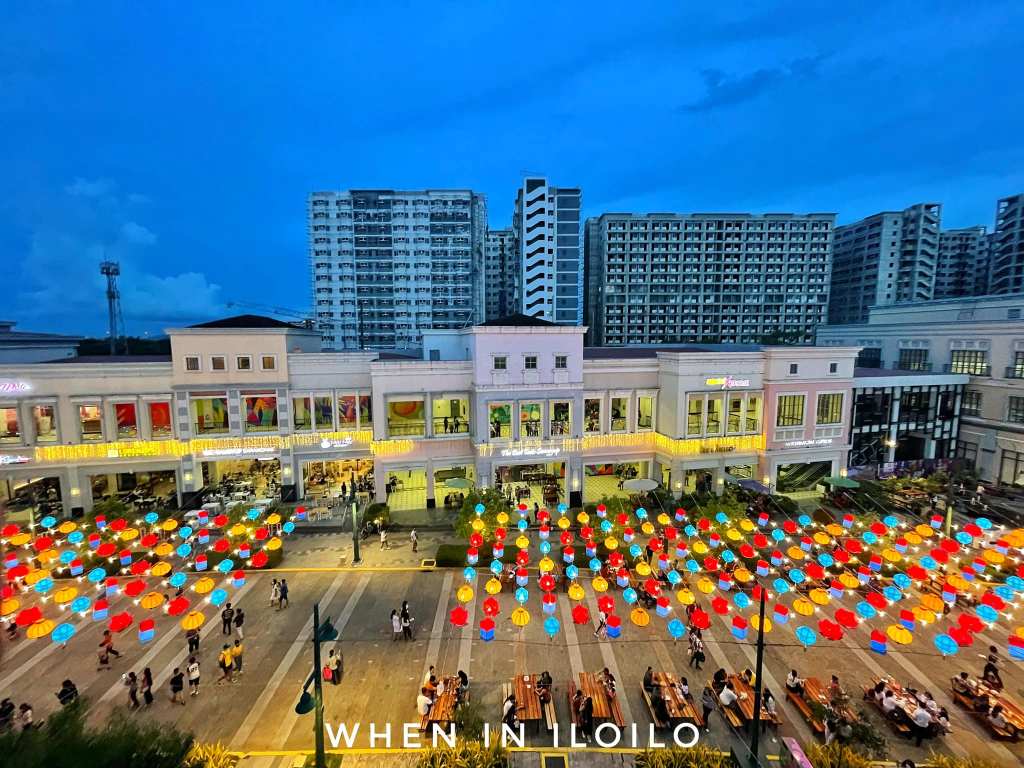
Through a partnership with Megaworld and the Tourism Infrastructure and Enterprise Zone Authority (TIEZA), and with ₱750 million from Drilon’s development allocations, the Iloilo Convention Center (ICON) was built. Architect William Coscolluela designed it to reflect Iloilo’s Dinagyang and Paraw festivals.
Inaugurated in 2015, ICON quickly became Iloilo’s premier venue, hosting the APEC ministerial meetings, trade fairs, concerts, and conventions. It has since fueled business tourism, drawing investors and making Iloilo a hub for both commerce and culture.
Roads that Paved the Way for Growth

Drilon knew that progress required more than vision, it needed roads. He pushed for the expansion of Diversion Road (Sen. Benigno Aquino Jr. Avenue) into a 10-lane gateway, as well as the construction of the 15-kilometer Circumferential Road (President Corazon Aquino Avenue).

These projects eased congestion and opened vast tracts of land for development. The results are clear today. Iloilo Business Park originated from the infrastructure groundwork laid during Drilon’s time. The BPO industry boom also stemmed from this groundwork. Additionally, the rise of Mandurriao as the city’s commercial district is a result of the same foundational efforts.
Iloilo International Airport: Gateway to the World

As early as the late 1990s, Drilon understood that Iloilo needed a modern airport. The Iloilo International Airport was completed in 2007 with funding from Japan. It became Western Visayas’ premier aviation hub and was built to international standards.
Its construction signaled Iloilo’s readiness to welcome global tourists, investors, and trade partners. For Ilonggos, it became a point of pride, a literal gateway to the world.
Museums and Heritage: Roots of Identity

For Drilon, modern progress had to be anchored in cultural pride. He spearheaded the opening of the Museum of Philippine Economic History in the Elizalde Building along Calle Real. The first of its kind in the country, showcasing Iloilo’s historic role in Philippine trade.

He also supported the conversion of landmarks into cultural sites. The Western Visayas Regional Museum was converted from the old provincial jail. The Museum of Philippine Maritime History was converted from the old Aduana building. The restoration of Molo Plaza, Jaro Belfry, and Sunburst Park was significant. These projects ensured that Iloilo’s identity as the “Queen City of the South” was never forgotten.
Beyond the City: Provincial Impact

Drilon also pushed for the Jalaur River Multipurpose Project, the largest reservoir project outside Luzon. Once completed, it will irrigate 32,000 hectares of farmland, generate clean energy, and supply potable water for thousands of households. Such projects extended Drilon’s impact beyond Iloilo City, revitalizing the province’s agricultural and economic backbone.
A Legacy of Vision and Willpower
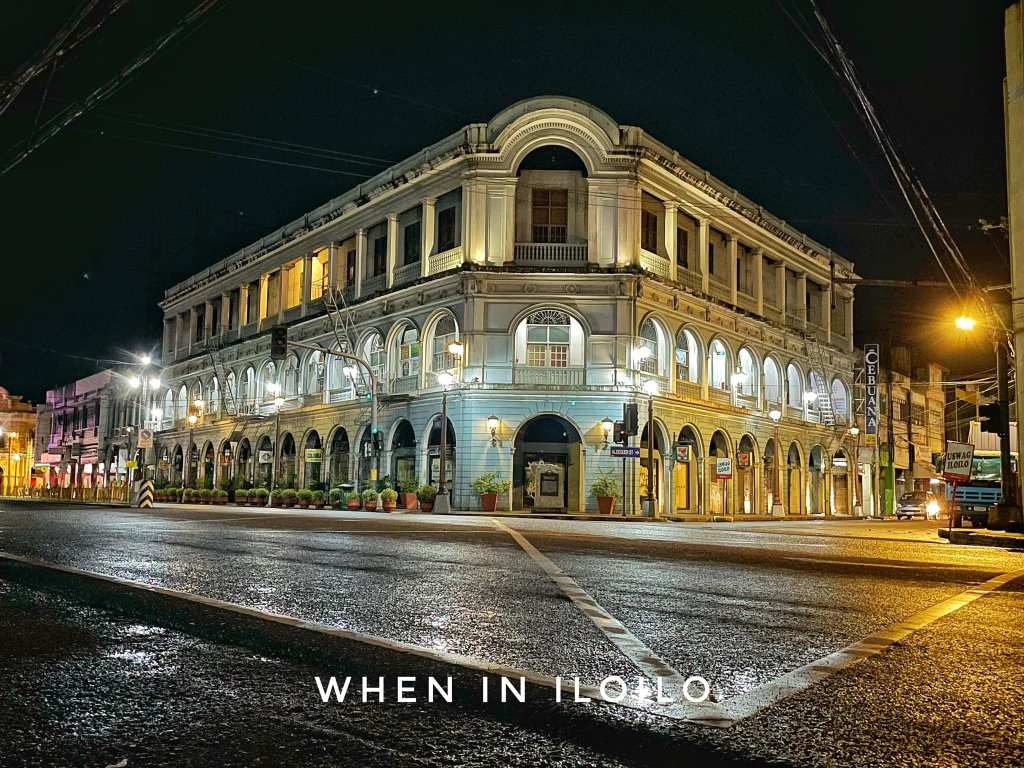
By the time Drilon retired in 2022, Iloilo was no longer a “sleepy backwater.” It was a bustling city with an airport that met global standards. The roads connected growth centers. Convention facilities attracted the world. Parks inspired pride. Museums celebrated history.
“The story of Iloilo is not just the story of the Ilonggos. It is the story of Filipinos, of a people determined to reach new heights of economic and social success,” he declared.
For Ilonggos, these words resonate every time they walk the Esplanade. They feel it when they drive along Diversion Road or welcome visitors at the airport. The progress they now enjoy was once a dream, made real by determination and collaboration.
Senator Franklin M. Drilon’s dream was always bigger than concrete projects. It was about restoring dignity, confidence, and pride to his people. His legacy is not defined solely by the roads he widened or the buildings he built. It is defined by the renewed faith he inspired among Ilonggos. He encouraged the belief that their city matters, their culture matters, and their future is bright.
As Iloilo continues to grow, the challenge for the next generation of leaders is clear. They must sustain this momentum. They need to guard what has been built. Moreover, they should aim even higher. Drilon himself once said that Iloilo’s story is proof. He emphasized, “if it can be done here, it can be done anywhere else in the country.”
And so, the story of Iloilo is still being written. But thanks to Drilon’s vision, it now has a solid foundation. The city is reborn. Its heritage is preserved. The people are inspired to dream even bigger.
 CM Digital Marketing Services
Leave a comment